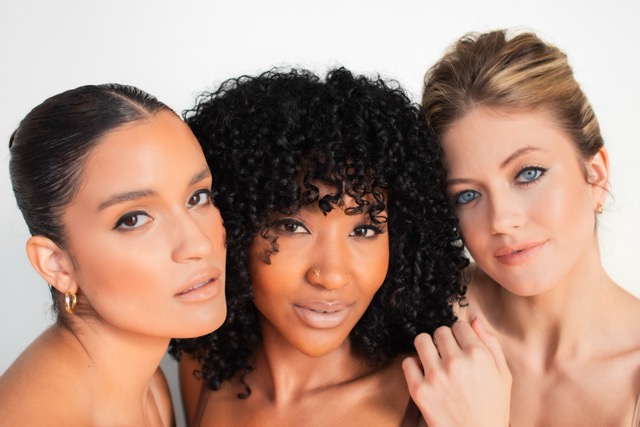
For many, achieving a radiant and youthful complexion involves the transformative power of a chemical peel. However, individuals with deeper skin tones or sensitive skin often hesitate due to concerns about scarring or discoloration. While older techniques required extreme caution for darker complexions, modern dermatological advancements have turned chemical peels into a versatile tool for nearly everyone. Youthful Infusion Med Spa explores how these treatments work across different skin types to help you safely achieve a coveted glow.
What Is a Chemical Peel?
A chemical peel is a clinical resurfacing procedure where a specific acid solution is applied to the skin to exfoliate dead cells. By breaking the bonds of the outermost layers, it reveals smoother, more evenly pigmented skin underneath. Depending on the strength, from superficial Alpha-hydroxy acids (AHAs) to deep phenol peels, the treatment triggers the body’s natural healing response and stimulates collagen production to address acne scars, fine lines, and sun damage.
Types of Chemical Peels
Peels are categorized by their depth of penetration:
Superficial Peels: Known as “lunchtime peels,” these use mild acids like AHA to gently exfoliate the epidermis with minimal downtime.
Medium Peels: Using Trichloroacetic acid (TCA) or glycolic acid, these reach the middle layer of the skin (dermis) to treat age spots and moderate discoloration.
Deep Peels: These utilize phenol or high-strength TCA for dramatic results on deep wrinkles and scars, though they require professional supervision and significant recovery time.
Key Benefits and Applications
Chemical peels provide a deeper reset than topical creams by shedding damaged layers to reveal vibrant skin. They are highly effective for:
Acne and Texture: Breaking down scar tissue and clearing imperfections.
Anti-Aging: Stimulating collagen to reduce wrinkles and improve elasticity.
Hyperpigmentation and Melasma: Evening out skin tone and sloughing away surface discoloration for a uniform complexion.
Understanding Skin Types and Safety
Practitioners use the Fitzpatrick Scale (Types I–VI) to determine the safest treatment plan based on how skin reacts to UV light. Because higher Fitzpatrick types (IV–VI) are more prone to post-inflammatory hyperpigmentation, choosing the correct acid concentration and pH level is essential. For darker skin, “stacked” light peels or specific acids like salicylic and mandelic are often preferred, as they treat concerns without triggering a harsh inflammatory response.
Why Consider a Peel?
Beyond exfoliation, chemical peels enhance your entire skincare routine. By removing the barrier of dead skin cells, they allow serums and moisturizers to penetrate deeper and work more effectively. Additionally, the deep-cleansing action helps dissolve impurities, making pores appear smaller and more refined.
Sun Sensitivity
Your new skin is more delicate and more vulnerable to the sun after a peel. Apply a broad-spectrum SPF 30 or higher every day, and limit direct sun exposure while you heal. Wearing a hat and seeking shade adds extra protection during the first couple of weeks.
Every Experience Is a Little Different
No two skin journeys look exactly alike. Your results and recovery depend on the peel strength, your skin type, and your skin’s natural response. A lighter peel may cause almost no visible flaking, while a deeper treatment asks for a bit more downtime.
That’s why a professional consultation matters. Our team evaluates your skin and goals to recommend the right peel for you because the best treatments are designed for all skin types and tones.
Schedule a Consultation
At Youthful Infusion Med Spa, we provide expert aesthetic treatments and dental care for patients in McKinney, Allen, and Tyler. If you are looking to rejuvenate your skin, the key is seeking a provider who understands the complexities of all skin tones. Contact us today to schedule your consultation.