
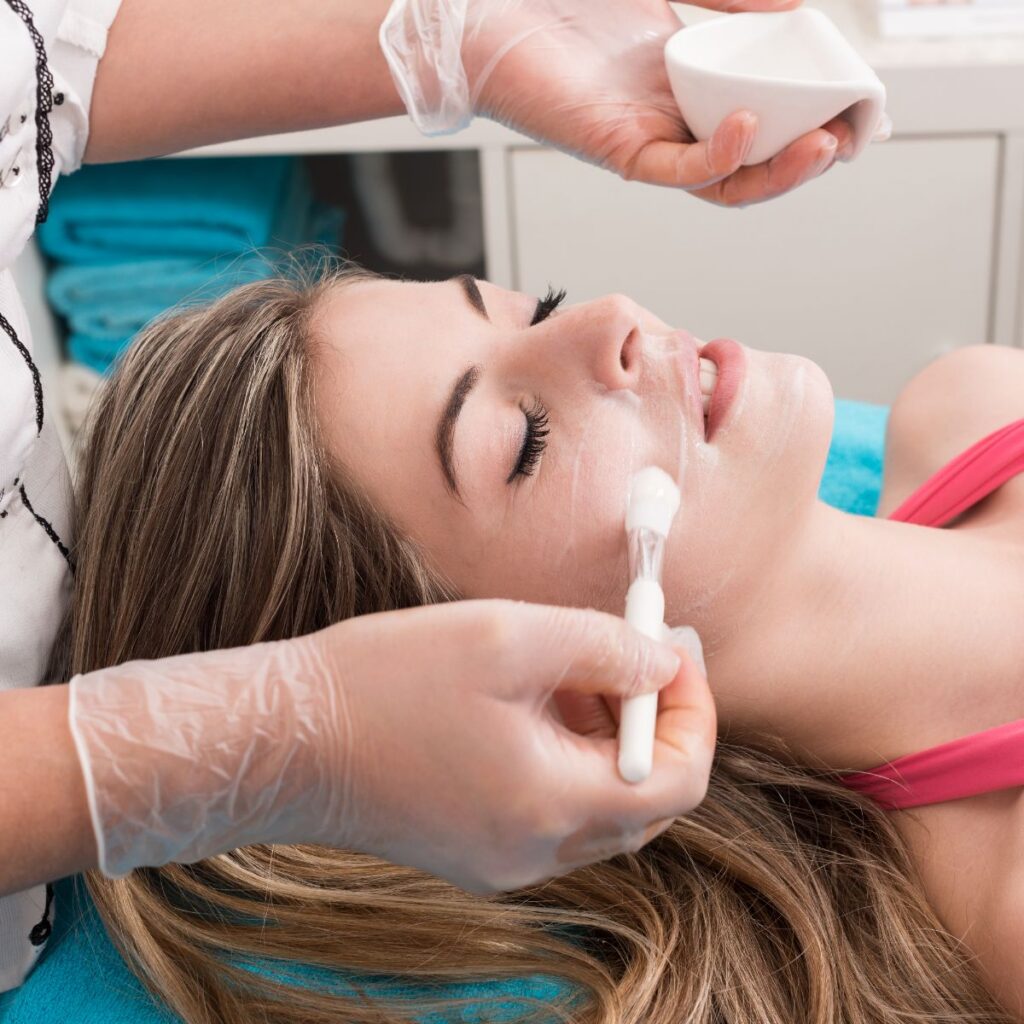
Chemical Peels: A Guide to Skin Rejuvenation
Chemical peels are professional skin treatments designed to improve skin texture and tone by applying acidic solutions that dissolve the outer layers of dead skin. This process stimulates collagen production and encourages cellular turnover, helping to reduce the appearance of fine lines, wrinkles, and hyperpigmentation. Many patients have the wrong information about chemical peels. Youthful Infusion Med Spa explains what really happens during a chemical peel. Reach out today to schedule a consultation.
Types of Chemical Peels
Depending on the patient’s specific needs, these treatments are generally categorized into three levels of intensity:
- Superficial Peels: Often called “lunchtime peels,” these utilize mild acids like glycolic or salicylic acid. They require minimal downtime and are ideal for minor concerns like large pores or slight unevenness.
- Medium-Depth Peels: Typically using trichloroacetic acid (TCA), these penetrate more deeply to treat sun damage and acne scars. Recovery usually takes five to seven days, during which the skin must be kept protected with ointments.
- Deep Peels: These involve high concentrations of TCA or phenol to address severe skin laxity and deep scarring. These require the longest recovery time—up to two weeks—and may not be suitable for darker skin tones due to the risk of pigmentation changes.
While at-home chemical exfoliants are a gentler alternative to physical scrubs, they do not provide the dramatic results seen with professional clinical applications. Consult with a dermatologist or plastic surgeon to determine which peel strength is appropriate for your skin type and aesthetic goals.
What Really Happens During a Chemical Peel: From Application to Transformation
If you have ever considered a chemical peel, the term “chemical” might sound intimidating. However, this staple of dermatological care is less about harsh chemicals and more about the science of controlled exfoliation. Understanding the biological process that occurs from the moment the solution touches your face until your fresh skin is revealed can help demystify the treatment and prepare you for the recovery process.
The Initial Contact: Breaking Cellular Bonds
The process begins the moment your practitioner applies the acid solution, typically an Alpha Hydroxy Acid (AHA), Beta Hydroxy Acid (BHA), or Trichloroacetic Acid (TCA), to the skin. On a microscopic level, these acids act as “intercellular glue” solvents. They target the desmosomes, which are the protein structures that hold dead skin cells together. By breaking these bonds, the chemical peel triggers a process called keratolysis. This immediate reaction causes the “tingling” or “stinging” sensation patients often feel, signaling that the acid is actively loosening the epidermis’s surface layer.
The Middle Phase: Controlled Injury and Coagulation
Once the surface bonds are broken, the depth of the peel determines what happens next. In medium or deep peels, the solution penetrates the papillary dermis. This creates a “controlled injury.” While “injury” sounds negative, it is the essential catalyst for rejuvenation. In many cases, you might see “frosting” on the skin—a white appearance caused by the denaturation of keratin proteins. This is a sign that the peel has reached its intended depth. This controlled trauma sends a signal to your body’s wound-healing mechanism to go into overdrive, flooding the area with white blood cells and stimulating the production of new skin cells.
The Internal Shift: Collagen and Elastin Stimulation
While the surface of your skin may look red or irritated in the days following the procedure, the most important work is happening beneath the surface. The inflammation triggered by the peel stimulates fibroblasts, the cells responsible for producing collagen and elastin. As the old, damaged layers of skin are prepped for shedding, the body begins building a firmer, more organized structural matrix. This is why chemical peels are effective not just for surface texture, but for reducing the appearance of fine lines and tightening the skin over time.
The Final Act: Desquamation and Reveal
The “peeling” phase, or desquamation, usually begins 3 to 5 days after the treatment. As the damaged outer layers dry up and lift away, they reveal the new, healthy cells underneath. These new cells are more uniform in size and distribution, which results in a smoother texture and a more even skin tone. Because these fresh cells have not yet been exposed to environmental pollutants or UV damage, they are incredibly sensitive.
Contact Youthful Infusion Med Spa
Ultimately, a chemical peel is a strategic “reset” button for your skin. By forcing the old cells to depart and the new cells to accelerate their journey to the surface, you are essentially mimicking a younger skin cycle, resulting in the radiant, clear complexion that makes this treatment a gold standard. Youthful Infusion Med Spa will help you fund the best chemical peel fit for your needs. Reach out today to schedule.