
Microdosing GLP-1s: What Does It Mean for Medical Weight Management?
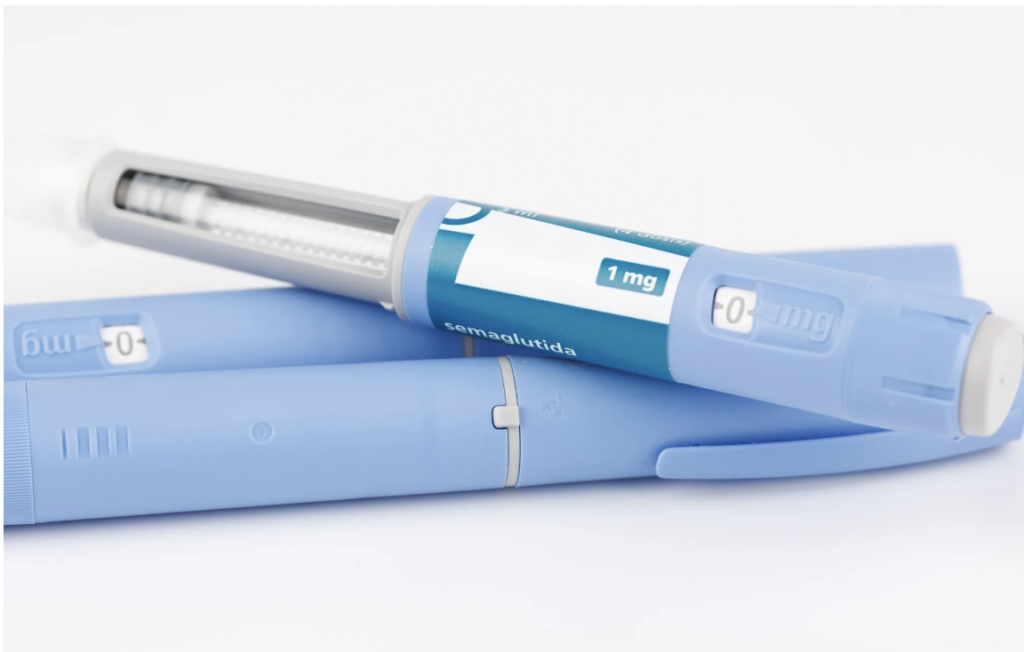
GLP-1 medications have changed the conversation around medical weight management. Originally developed to help manage type 2 diabetes, certain GLP-1 medications are now FDA-approved for chronic weight management in eligible patients. As their popularity has grown, so has interest in a newer concept: microdosing GLP-1s.
But what exactly does microdosing mean, and is it right for everyone? Before considering any change to a GLP-1 treatment plan, it is important to understand the potential benefits, limitations, and need for professional medical supervision.
What Is GLP-1 Microdosing?
GLP-1 receptor agonists mimic the activity of glucagon-like peptide-1, a naturally occurring hormone involved in blood sugar regulation, appetite, and digestion. Medications in this broader category include semaglutide and tirzepatide, although tirzepatide also acts on GIP receptors.
The term microdosing GLP-1s is generally used to describe taking an amount below a medication’s standard therapeutic dosing schedule. However, “microdosing” is not a standardized medical dosing term for GLP-1 medications, and lower-than-approved dosing strategies have not been established as appropriate or effective for every patient. That is why GLP-1 dosing should always be determined by a qualified healthcare provider rather than adjusted independently.
Why Are People Interested in Microdosing GLP-1s?
Patients may hear about microdosing through social media, wellness discussions, or conversations surrounding personalized weight management. Common reasons for the interest include a desire to:
- Minimize medication-related side effects
- Explore a more individualized approach to treatment
- Maintain progress after weight loss
- Use the lowest effective medication dose
- Combine medication with nutrition, exercise, and other healthy lifestyle habits
These goals may sound appealing, but taking a smaller amount does not automatically mean a medication is safer or that it will produce the desired results. The appropriate treatment depends on the specific drug, a patient’s medical history, other medications, health conditions, and individual response.
Are There Benefits to Lower GLP-1 Doses?
GLP-1 medications like semaglutide are typically started at lower doses and gradually increased according to approved prescribing information. This titration process can help the body adjust to treatment.
That established practice, however, should not be confused with using unapproved “microdoses.” Research has not established microdosing as a universal strategy for weight loss or long-term weight maintenance.
A healthcare provider may determine that a particular dose is appropriate for an individual patient, but those decisions should be based on clinical considerations rather than trends or a one-size-fits-all protocol.
What About GLP-1 Side Effects?
GLP-1-based medications can cause side effects, particularly gastrointestinal symptoms such as:
- Nausea
- Vomiting
- Diarrhea
- Constipation
- Abdominal discomfort
They can also carry more serious risks and are not appropriate for everyone. Patients should discuss their complete medical history, current medications, pregnancy plans, and risk factors with a qualified healthcare professional before starting treatment. If you’re already taking a GLP-1 medication, never decrease, increase, split, or otherwise modify your prescribed dosage without speaking to your prescriber.
A Personalized Approach to Medical Weight Management
Successful medical weight management involves more than the number on a medication label. Nutrition, physical activity, sleep, muscle preservation, metabolic health, and realistic long-term goals can all play important roles. Rather than focusing specifically on achieving a “microdose,” patients may benefit from asking a more useful question: What is the safest and most appropriate treatment plan for my individual needs?
At a medical spa or medical weight management practice, qualified healthcare providers can evaluate your health, discuss treatment options, monitor your response, and determine whether prescription medication is clinically appropriate.
Is GLP-1 Microdosing Right for You?
Microdosing GLP-1s may be generating plenty of conversation, but it should not be treated as a DIY weight-loss strategy. Youthful Infusion Med Spa walks alongside you during your weight loss journey with personalized treatment plans. If you’re interested in GLP-1 medications, schedule a consultation with a our team in Grapevine, Allen, or Tyler.