Copper Peptides: The Skin-Firming Ingredient Worth Knowing
Walk into any medical spa right now, and copper peptides are likely to come up in conversation. These small but mighty compounds have moved from niche anti-aging territory into the mainstream and for good reason. If you’re curious about what they actually do and how to use them properly, here’s what you need to know.
What Is GHK-Cu and Where Does It Come From?
GHK-Cu is a naturally occurring copper complex first identified in human plasma, though it is also found in saliva and urine. It consists of the tripeptide glycyl-L-histidyl-L-lysine (GHK) bound to a copper ion (Cu2+). In the human body, this peptide plays a crucial role in tissue regeneration, wound healing, and anti-inflammatory responses. Because of its unique ability to promote collagen and elastin production, stimulate blood vessel growth, and act as a powerful antioxidant, GHK-Cu has become a highly sought-after active ingredient in anti-aging skincare, prized for its ability to firm the skin, reduce wrinkles, and improve overall skin density.
What Can Copper Peptides Actually Do for Your Skin?
GHK-Cu earns its reputation through a combination of mechanisms that few other skincare actives can match:
- Collagen and elastin stimulation: GHK-Cu signals the skin to ramp up production of structural proteins, helping to firm the skin and smooth out fine lines and wrinkles.
- Wound healing and repair: The compound accelerates skin recovery by promoting the formation of new blood vessels and supporting the natural healing process—making it particularly relevant in post-treatment skincare.
- Antioxidant activity: GHK-Cu neutralizes free radicals, helping protect the skin from oxidative stress associated with premature aging.
- Improved skin density: Regular use has been associated with thicker, more resilient skin over time.
For patients undergoing in-office procedures like laser treatments, microneedling, or chemical peels, copper peptides can be a valuable part of the recovery routine, supporting the skin’s ability to heal and regenerate.
How Should You Layer Copper Peptides in Your Routine?
This is where many people go wrong. GHK-Cu is effective, but its stability depends on the surrounding pH. Pair it with the wrong products, and you’ll significantly reduce its benefits.
Avoid combining GHK-Cu with:
- Pure L-ascorbic acid (Vitamin C): Highly acidic formulas can break down the copper peptide bond, rendering the ingredient far less effective.
- AHAs and BHAs: Chemical exfoliants like glycolic acid and salicylic acid create a similarly hostile environment for GHK-Cu.
- Retinoids (at the same time): While retinoids don’t deactivate GHK-Cu, using both simultaneously increases the risk of irritation—especially for sensitive skin.
Safer pairings and strategies:
- Vitamin C derivatives such as THD ascorbate, SAP, or MAP are far less acidic than L-ascorbic acid and are generally safer to use alongside copper peptides. That said, separating them into different steps or AM/PM routines is still the best approach for optimal results.
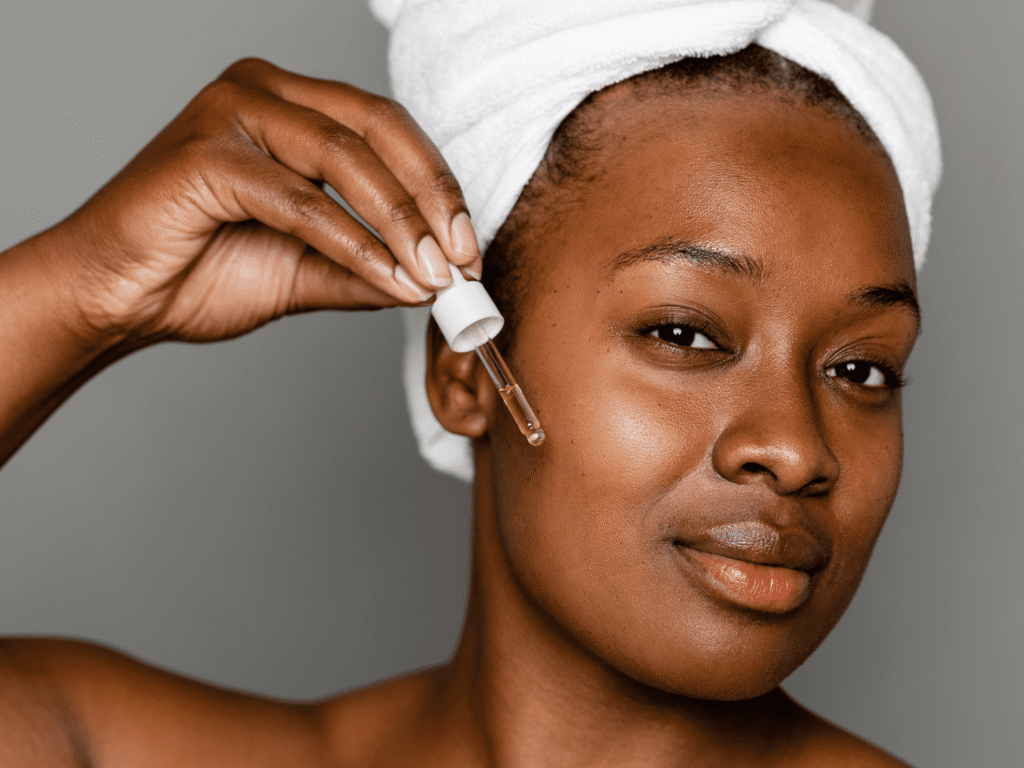
- Apply GHK-Cu in the evening, after cleansing and before moisturizer, when the skin is in repair mode and not competing with morning-routine actives.
Is a Copper Peptide Treatment Right for You?
GHK-Cu is a good fit for most skin types, particularly those dealing with visible signs of aging, uneven skin texture, or post-procedure recovery. It’s well-tolerated compared to more aggressive actives like high-concentration retinoids or acids, making it a practical option for people who want meaningful results without significant downtime or irritation.
That said, how you use it matters as much as whether you use it at all. Copper peptides need a compatible routine to deliver their full potential.
Build a Routine That Actually Works
Copper peptides represent one of the more exciting developments in evidence-based skincare, but they’re not a standalone solution. The best outcomes come from understanding how GHK-Cu fits into a broader, well-structured skincare routine. If you’d like guidance on incorporating copper peptides into your regimen, our medical spa team can help you design a protocol tailored to your skin’s specific needs.
Contact Youthful Infusion Med Spa
Youthful Infusion Med Spa offers complete peptide care. We have locations in Allen, Grapevine, and Tyler to serve you. We’re excited to welcome you into the world of peptides. Reach out today to schedule an appointment.
Frequently Asked Questions About Copper Peptides
Can I use copper peptides every day?
Yes. GHK-Cu is generally well-tolerated and suitable for daily use. Evening application is recommended to avoid conflicts with morning actives like Vitamin C.
How long does it take to see results from copper peptides?
Most people begin to notice improvements in skin texture and firmness after 8–12 weeks of consistent use.
Can I use copper peptides after a facial treatment or procedure?
Yes—copper peptides are commonly recommended post-procedure due to their wound-healing and anti-inflammatory properties.