Why Does Skin Turn Leathery—and How Do You Fix It?
Leathery skin develops when the skin loses elasticity and moisture due to sun damage, aging, smoking, and environmental exposure. Preventing it starts with sun protection and a consistent skincare routine. For existing damage, professional treatments at a medical spa can significantly improve skin texture and firmness.
Rough, thick, and dull-looking skin isn’t just a cosmetic concern. It’s your skin signaling that something has changed beneath the surface. Whether it appears gradually after years of sun exposure or develops overnight, leathery skin is one of the most common complaints among people seeking aesthetic treatments and one of the most treatable.
What Causes Leathery Skin?
Leathery skin develops when the skin’s structural proteins, collagen and elastin, break down faster than the body can replace them. Several factors accelerate this process:
- Sun Damage: The leading culprit. Prolonged ultraviolet (UV) exposure degrades collagen fibers and thickens the outer layer of skin, a condition dermatologists call actinic skin changes. Over time, this produces a coarse, weathered texture.
- Smoking: Smoking restricts blood flow to the skin and depletes vitamin C, a key nutrient in collagen synthesis. People who smoke tend to develop leathery skin earlier and more severely than non-smokers.
- Dehydration: Dehydration and a poor skincare routine can weaken the skin, allowing it to weaken, making it harder for the skin to retain moisture. Dry skin that goes untreated can become progressively thicker and rougher.
- Aging: Natural aging plays a role, too. Collagen production declines by roughly one percent per year after the age of 20, gradually reducing the skin’s ability to stay firm and supple.
How to Prevent Leathery Skin
Prevention is significantly more effective than treatment, and the good news is that small, consistent habits make a real difference. We recommend the following:
- Apply a broad-spectrum SPF 30 or higher sunscreen daily, even on cloudy days. UV radiation penetrates clouds, and cumulative exposure adds up fast.
- Moisturize consistently with products containing hyaluronic acid, ceramides, or glycerin to reinforce the skin barrier and lock in hydration.
- Quit smoking. Skin texture and tone can begin improving within weeks of stopping.
- Stay hydrated and eat a nutrient-rich diet. Foods high in antioxidants support healthy collagen production.
- Wear protective clothing and seek shade during peak UV hours, typically between 10 a.m. and 4 p.m.
Professional Treatments Available at a Medical Spa
When leathery skin is already established, over-the-counter products rarely deliver meaningful results on their own. Medical spa treatments work at a deeper level, targeting the structural changes responsible for rough, thickened skin.
Chemical Peels
Chemical peels use exfoliating acids to remove the outermost layers of damaged skin, revealing smoother, more even-toned skin underneath. Medium-depth and deep peels stimulate collagen production, which gradually improves both texture and firmness over several weeks.
Microneedling
Microneedling creates controlled micro-injuries in the skin using fine, sterile needles. This triggers the body’s natural healing response, prompting the production of new collagen and elastin. A series of three to six sessions spaced several weeks apart typically produces the most significant and lasting improvement in skin texture.
Laser Resurfacing
Laser treatments target damaged skin cells and stimulate collagen remodeling with precision. Ablative lasers remove the outer skin layer, while non-ablative options work beneath the surface with minimal downtime. Both approaches are effective for reducing the thick, rough appearance associated with leathery skin.
Topical Retinoids and Medical-Grade Skincare
Prescription-strength retinoids accelerate cell turnover and boost collagen synthesis more effectively than standard over-the-counter alternatives. Combined with medical-grade moisturizers and antioxidant serums, they form a powerful maintenance protocol between in-office treatments.
Your Next Step Toward Healthier Skin
Leathery skin doesn’t have to be permanent. With the right combination of preventive habits and professional treatments, real improvement is achievable at any age. The most effective approach starts with a personalized consultation, where we assess your skin and determine a customized treatment plan. Book a consultation with Youthful Infusion Med Spa today to learn which treatments are right for you.
Frequently Asked Questions
What Does Leathery Skin Look Like?
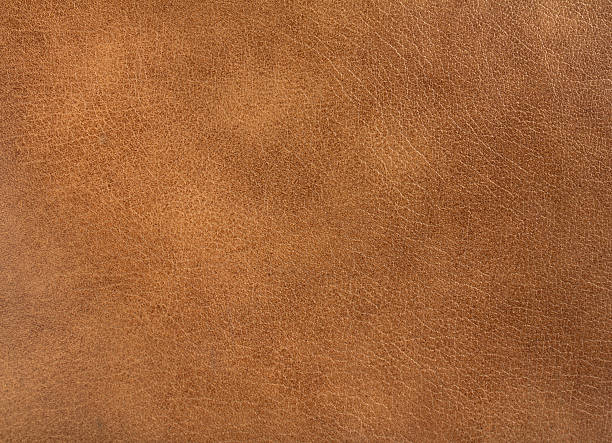
Leathery skin typically appears thickened, rough, and dull, with an uneven texture and visible lines or deep wrinkles. It may also feel dry or tight to the touch, and in more advanced cases, it can have a yellowish or grayish tone.
Can Leathery Skin Be Reversed?
Leathery skin can be significantly improved, though complete reversal depends on the severity of the damage and the treatments used. Professional options such as chemical peels, microneedling, and laser resurfacing deliver noticeable results, especially when combined with a consistent at-home skincare routine.
How Many Treatments Are Needed to See Results?
This depends on the treatment type and the degree of skin damage. Some patients notice an improvement in texture after a single chemical peel. For microneedling and laser resurfacing, a series of three to six sessions is typically recommended for lasting results.